
Energy and Stamina Nutrition for Men
Discover the science-backed nutritional strategies designed to fuel your body, enhance endurance, and sustain peak performance throughout your day
The information on this site is for educational purposes only and does not constitute medical advice. Always consult a qualified healthcare professional before making health decisions.
Core Pillars of the Energy Stamina System
Macronutrient Balance
Strategic ratios of proteins, complex carbohydrates, and healthy fats create sustained energy release. Proteins repair muscle tissue and maintain strength, carbohydrates fuel intense activity, while fats support hormonal production and cellular health for lasting endurance.
Micronutrient Density
Vitamins and minerals like B-complex, iron, magnesium, and zinc are essential for energy metabolism and stamina. These cofactors enable enzymes to convert food into usable ATP energy and support cardiovascular function during extended physical demands.
Hydration and Electrolytes
Water and electrolyte balance directly impacts muscle function, mental clarity, and heat regulation. Proper sodium, potassium, and magnesium levels maintain fluid balance, prevent cramping, and support oxygen delivery to working muscles for sustained performance.
Timing and Frequency
When you eat matters as much as what you eat. Strategically timed meals and snacks maintain stable blood glucose, prevent energy crashes, and optimize muscle protein synthesis. This structure supports consistent stamina from morning through evening activities.
Cardiovascular Support
Nutrients like omega-3 fatty acids, nitrates from beets, and antioxidants enhance blood flow and oxygen utilization. Better cardiovascular function means more efficient oxygen delivery to muscles and brain, directly translating to improved endurance and mental stamina.
Mental Energy and Focus
Stable blood sugar, B vitamins, and omega-3s support neurotransmitter production and cognitive function. This nutritional approach prevents mental fatigue, maintains concentration during demanding tasks, and sustains the psychological stamina needed for sustained productivity and decision-making.
Why Men Need Strategic Nutrition for Sustained Energy
Men typically have higher metabolic demands due to greater muscle mass and often more intense physical or occupational activities. A strategic energy and stamina diet accounts for these biological differences while addressing common modern challenges like inconsistent meal timing, stress-related energy crashes, and aging-related metabolic changes.
The challenge isn't just eating more—it's eating with purpose. Proper nutrition fuels not only physical performance but also mental clarity, emotional resilience, and long-term health. A well-designed energy diet prevents the afternoon energy slump, reduces reliance on caffeine stimulation, and supports recovery from demanding work or exercise.
Maintains consistent blood glucose for stable energy throughout the day
Supports lean muscle maintenance and strength performance
Enhances cardiovascular efficiency and oxygen utilization
Strengthens mental focus and cognitive performance
Accelerates recovery from training or demanding work schedules
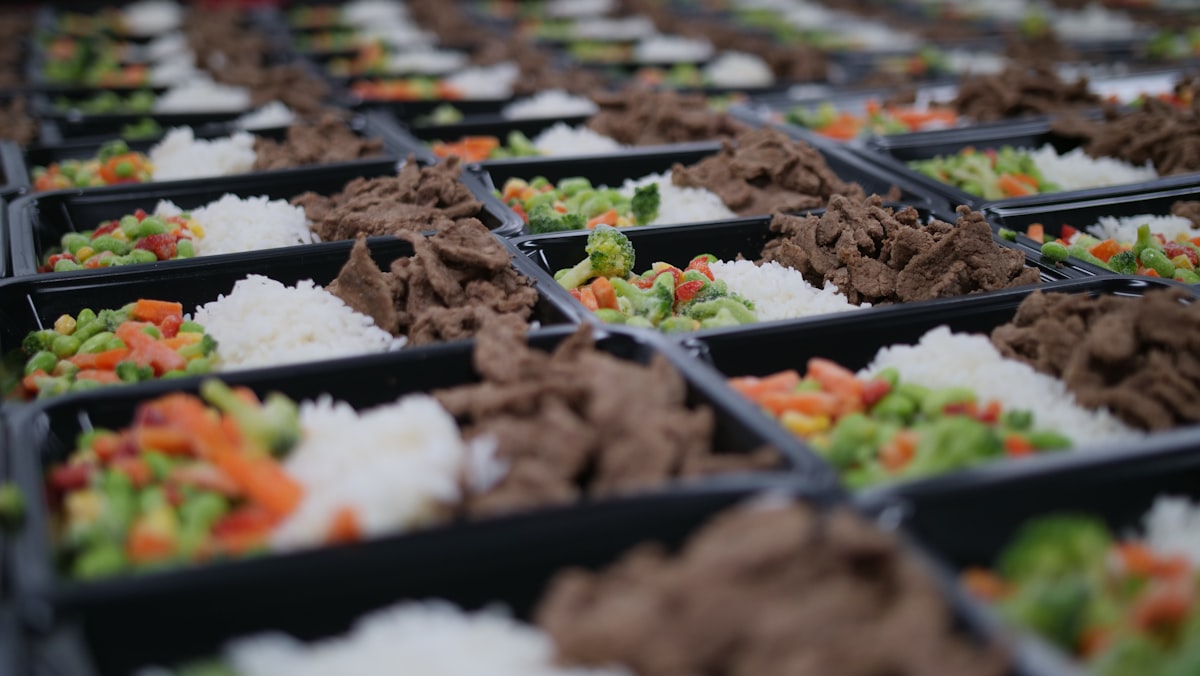
Your 5-Step Journey to Unstoppable Energy
Assess Your Current Energy Patterns
Before changing your diet, track when your energy peaks and crashes. Notice meal timing, sleep quality, stress levels, and physical activity. This baseline helps identify which nutritional adjustments will have the greatest impact on your specific energy challenges—whether afternoon fatigue, poor workout recovery, or inconsistent mental focus throughout the day.
Build Your Macronutrient Foundation
Establish a baseline of protein intake (0.7-1g per pound of body weight), quality carbohydrates from whole grains and vegetables, and healthy fats from nuts, seeds, and fatty fish. This balanced foundation prevents dramatic blood sugar swings and provides steady fuel. Adjust proportions based on your activity level and energy goals—more active men typically benefit from higher carbohydrate ratios.
Optimize Meal Timing and Frequency
Structure your eating around your activity schedule and energy demands. Most men benefit from 3-4 substantial meals with 1-2 strategic snacks. Pre-exercise nutrition supports performance, while post-activity meals accelerate recovery. Eating every 3-4 hours prevents energy crashes and maintains steady mental clarity. Experiment with timing to find your optimal pattern.
Incorporate Energy-Dense Whole Foods
Focus on nutrient-dense foods: lean proteins (chicken, fish, eggs), complex carbohydrates (oats, quinoa, sweet potatoes), healthy fats (avocado, olive oil, walnuts), and colorful vegetables rich in antioxidants. These whole foods provide sustained energy release, contain micronutrients that support metabolism, and prevent the energy crashes common with processed alternatives. Quality matters—it's the foundation of lasting stamina.
Monitor, Adjust, and Sustain
Track how different foods and eating patterns affect your energy, focus, and performance. Keep notes on energy levels 1-2 hours after meals, workout intensity, sleep quality, and mental clarity. This feedback loop allows you to refine your approach—increase or decrease carbs, adjust meal sizes, try different protein sources. Sustainable energy comes from personalization, not rigid rules. Review and adapt your nutrition quarterly.
Energy-Boosting Meals in Action

High-Protein Breakfast for Morning Energy
Start your day with 25-35g of protein combined with complex carbohydrates and fiber. Eggs, Greek yogurt, whole grain toast, and berries provide sustained energy and prevent the mid-morning crash. This breakfast stabilizes blood sugar and supports mental focus for the entire morning.
View Recipes
Balanced Lunch for Sustained Afternoon Performance
A midday meal with lean protein, complex carbs, and colorful vegetables maintains energy and prevents the afternoon slump. Grilled chicken, brown rice, and roasted vegetables provide micronutrients, fiber for stable digestion, and amino acids for muscle maintenance and mental clarity throughout the afternoon.
Discover Meals
Pre-Workout Nutrition for Peak Performance
Consume 200-300 calories of easily digestible carbs and moderate protein 30-60 minutes before exercise. A banana with almond butter or oatmeal with honey provides quick energy without digestive heaviness. This fuels intense training while preventing mid-workout energy depletion.
Learn More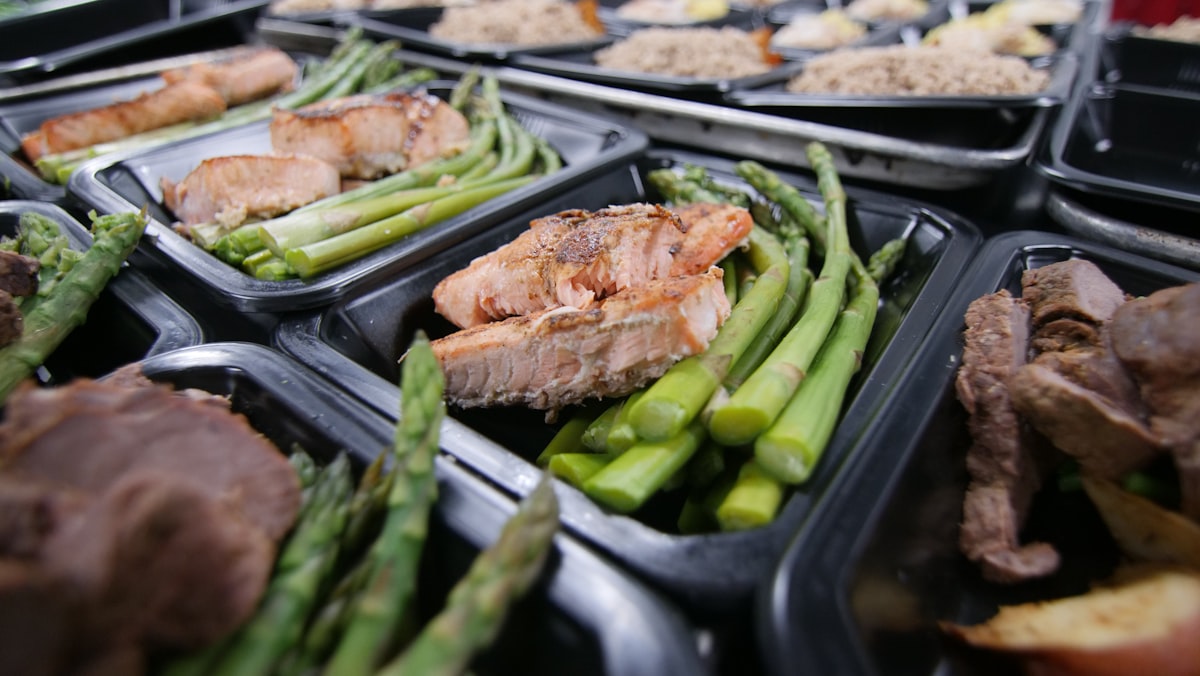
Post-Workout Recovery Meal for Faster Adaptation
Within 1-2 hours of training, consume 25-40g protein and 40-80g carbohydrates to replenish glycogen and repair muscle. A chicken breast with sweet potato and vegetables or Greek yogurt with granola accelerates recovery, reduces next-day soreness, and supports consistent training performance.
Browse OptionsMen Who Transformed Their Energy Levels
"I struggled with afternoon energy crashes that made my job performance suffer. After adjusting my meal timing and focusing on balanced macronutrients, I have consistent energy from morning through evening. No more 3 PM slump. I actually have energy for workouts after work now, which was impossible before."
Rudi Hartono
Jakarta, Project Manager
"As someone who trains 5-6 days a week, my recovery was lagging. The post-workout nutrition timing recommendations made a huge difference. My workouts are stronger, I recover faster, and my mental clarity during the day is noticeably sharper. The energy guidelines changed how I approach food—it's fuel, not just calories."
Adi Widodo
Surabaya, Fitness Enthusiast
"I thought I was just tired—turns out I was eating erratically and not prioritizing nutrition quality. Learning about micronutrient density and balanced meals completely transformed my daily energy. I'm more productive at work, my focus is incredible, and I actually feel strong again. This approach is sustainable and evidence-based."
Bambang Sartono
Bandung, Sales Director
Common Questions About Energy and Stamina Nutrition
How much protein do men need for sustained energy?
Most active men benefit from 0.7 to 1 gram of protein per pound of body weight daily. This typically ranges from 100-160g for most men. Distribute protein across 3-4 meals to optimize muscle protein synthesis and maintain satiety. Higher protein intake also supports metabolic rate and sustained energy through its thermic effect.
What's the best timing for meals to prevent energy crashes?
Eat balanced meals every 3-4 hours to maintain stable blood glucose. Most men do well with breakfast within 1-2 hours of waking, lunch at midday, and dinner 3-4 hours later, plus 1-2 strategic snacks. Pre-workout nutrition 30-60 minutes before training prevents performance drops, while post-workout meals within 1-2 hours accelerate recovery.
Can carbohydrates really improve both physical and mental energy?
Yes. Complex carbohydrates provide glucose, the brain's preferred fuel source, supporting focus and decision-making. They also enable serotonin production, improving mood and mental resilience. The key is choosing quality sources like oats, brown rice, and sweet potatoes that release glucose steadily, preventing the sugar crash common with refined carbs.
How does hydration impact stamina and energy levels?
Even 2% dehydration reduces physical performance, mental clarity, and energy efficiency. Aim for half your body weight in ounces of water daily (roughly 3-4 liters for most men), increasing with activity and heat. Include electrolytes—sodium, potassium, magnesium—in meals and hydration, especially during intense training or hot weather, to maintain muscle function and sustained performance.
Which micronutrients are most critical for male energy metabolism?
B vitamins (especially B12, B6, and folate) directly support energy production. Iron transports oxygen to muscles and brain. Magnesium enables ATP synthesis and muscle function. Zinc supports testosterone production and immune function. Vitamin D influences mood, immune health, and muscle performance. Prioritize whole foods rich in these nutrients—leafy greens, lean meats, nuts, seeds, fatty fish—rather than relying solely on supplements.
How should men adjust nutrition as they age to maintain stamina?
Older men often need slightly higher protein intake (1-1.2g per pound of body weight) to maintain muscle mass and strength. Increase emphasis on nutrient-dense foods since nutrient absorption may decrease. Add more antioxidant-rich vegetables and omega-3 sources for cardiovascular health. Adjust calorie intake to activity level since metabolism typically slows with age. Prioritize strength training alongside nutrition to preserve muscle and metabolic health.
Ready to Transform Your Energy?
Discover practical nutrition strategies, recipes, and evidence-based guidelines designed specifically for sustained male performance and stamina.
Subscribe for Nutrition Insights
Get evidence-based articles about energy nutrition, meal planning strategies, and stamina optimization delivered to your inbox.
We respect your privacy. Un subscribe anytime.
Frequently Asked Questions
Ready to Prioritize Your Health?
Join thousands of patients who trust Wellmenscare for exceptional healthcare. Start your wellness journey today.
Wellmenscare
Committed to your health and wellness every single day.